A refrigerated trailer has one job: keep the box at setpoint no matter what is happening outside. In a Georgia summer, that job gets a lot harder. The unit is fighting outside temperatures that regularly sit in the nineties, radiant heat off the pavement, and long idle time at loading docks with the doors open. Understanding what actually stresses a reefer unit in this climate is the difference between routine maintenance and an emergency call with a load on the line.
Why heat is the real enemy, not just the setpoint
A reefer unit is essentially a refrigeration system bolted to a diesel or electric power source, and every part of that system works harder as ambient temperature rises. The condenser has to reject more heat into air that is already hot, which means longer run times and more wear on the compressor. In direct Georgia summer sun, a trailer's box temperature can climb fast during a dock stop with the doors open, forcing the unit to work overtime just to recover once the doors close again.
The condenser coil: the most overlooked maintenance item
The condenser coil is where the unit dumps heat from inside the box to the outside air, and it is also where road grime, bugs, and debris build up fastest, especially on routes through rural Georgia and the coastal areas. A dirty condenser coil cannot reject heat efficiently, which means the compressor runs longer and harder., burning more fuel and wearing out faster. A coil that gets cleaned on a regular schedule, rather than only when there is already a problem, is one of the simplest ways to prevent a summer breakdown.
Refrigerant charge and slow leaks
A reefer system that is low on refrigerant will still run, but it will struggle to hold setpoint, especially on the hottest days when it needs full capacity the most. Small refrigerant leaks rarely announce themselves clearly until the hottest day of the year. Instead, you get a unit that seems to run fine most of the time but slowly loses ground on hot afternoons. Catching a slow leak before peak summer, rather than during a July heat wave with a load already loaded, is the difference between a scheduled repair and an emergency one.
The compressor: the heart of the system and the most expensive part
The compressor does the actual work of the refrigeration cycle, and it is by far the most expensive component to replace. Compressors fail for a handful of predictable reasons: running low on refrigerant for extended periods, which causes it to run hotter than designed, contamination in the system from a prior repair that was not done cleanly, or simple wear after years of hard duty. Regular oil and refrigerant checks, along with addressing small issues before they force the compressor to compensate, extend compressor life significantly.
Door seals and insulation: the quiet efficiency killer
A worn or damaged door seal lets warm outside air leak into the box every time the unit runs, forcing the refrigeration system to work harder than it should just to overcome a leak that has nothing to do with the mechanical parts at all. In Georgia heat, a bad door seal can be the difference between a unit that easily holds setpoint and one that runs constantly and still falls behind. Checking seals for cracking, gaps, or compression set is a five minute check that prevents a much bigger problem.
Fuel and electrical systems on diesel-powered units
Diesel-powered reefer units have their own small engine, separate from the truck, and that engine needs its own maintenance schedule: oil changes, fuel filter changes, and battery checks specific to the reefer unit itself. A weak reefer battery is a common cause of a unit that will not start or that shuts down unexpectedly, and it is often overlooked because drivers assume the truck's battery and the reefer's battery are the same system. They are not.
What to watch for on the road
A few warning signs are worth acting on immediately rather than waiting for the next scheduled service: the unit cycling on and off more frequently than normal, unusual noises from the compressor or condenser fan, a noticeable temperature drift on the readout even though the unit appears to be running, or visible frost or ice buildup in an unusual pattern on the evaporator coil. Any of these, caught early, is usually a manageable repair. Ignored, they tend to turn into a full unit failure at the worst possible time, usually mid-route with a load that cannot wait.
Why on-site service matters most for reefers
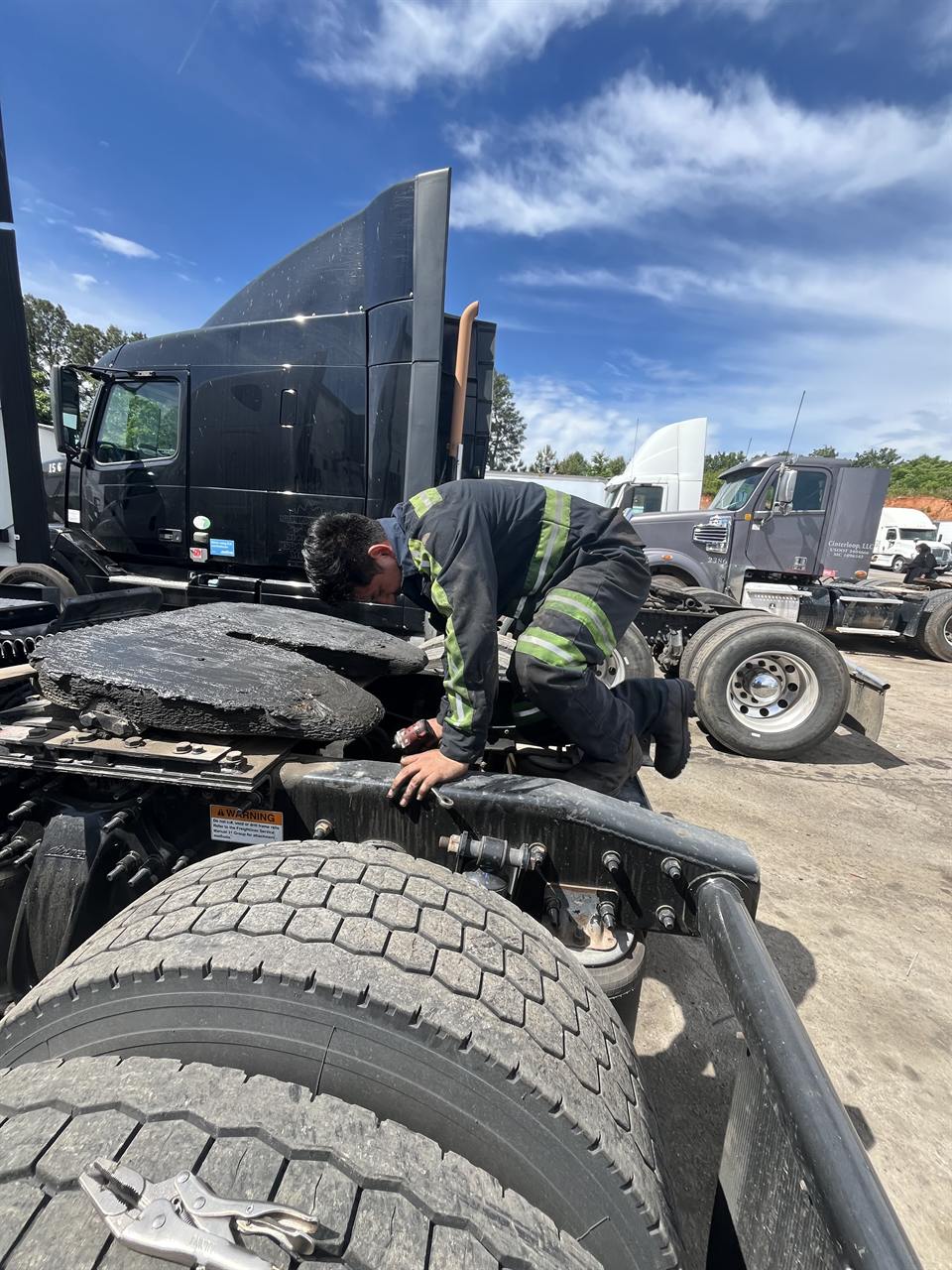
When a reefer starts struggling, every hour matters differently than it does for a standard mechanical issue, because the clock is running on the cargo itself, not just the truck. Getting a technician to the trailer wherever it sits, a yard, a dock, or the shoulder, means diagnosis and repair can start immediately instead of waiting for a tow to a shop and losing the load in the process.
If your reefer is cycling oddly, struggling to hold setpoint, or you just want it checked before the next long haul through Georgia's peak summer heat, call (678) 372-2667 and we will come to the trailer directly, anywhere around metro Atlanta.